
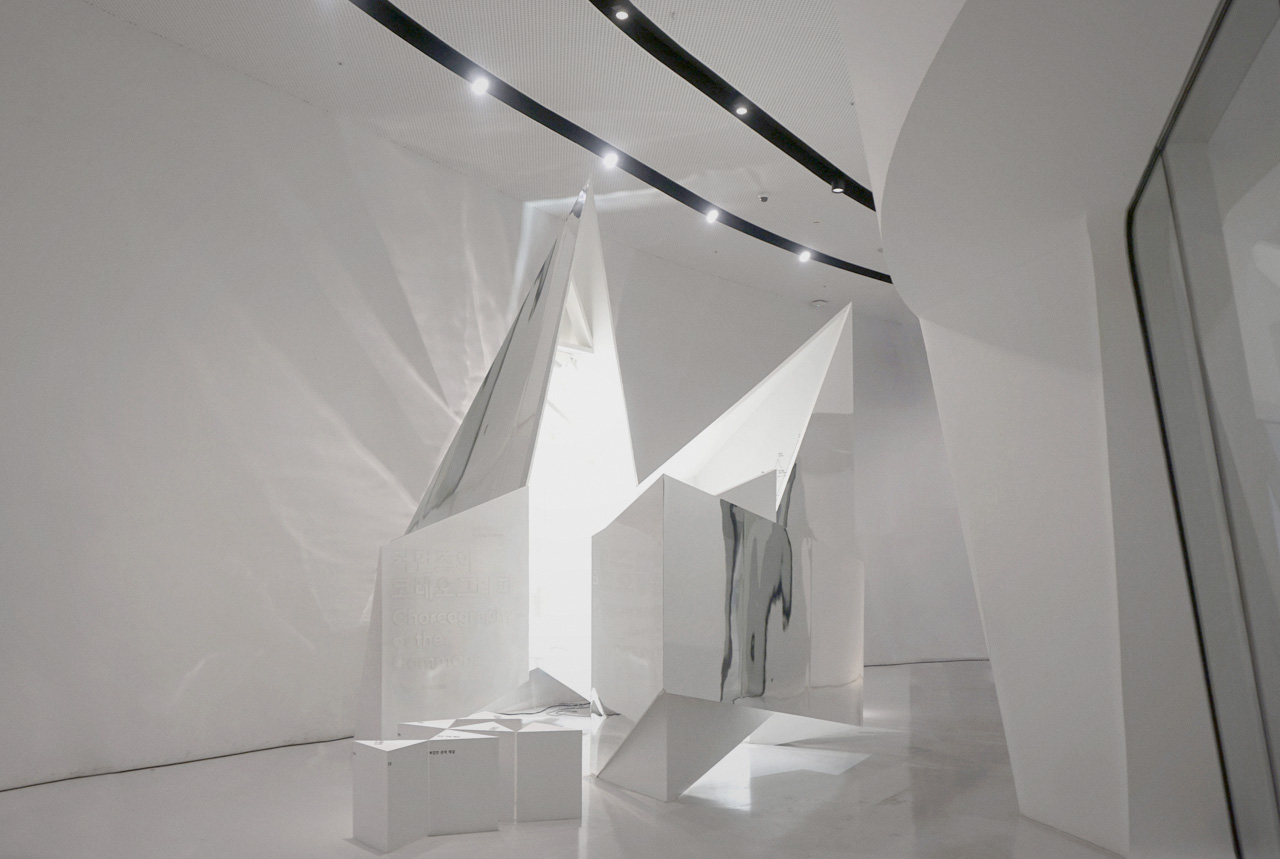

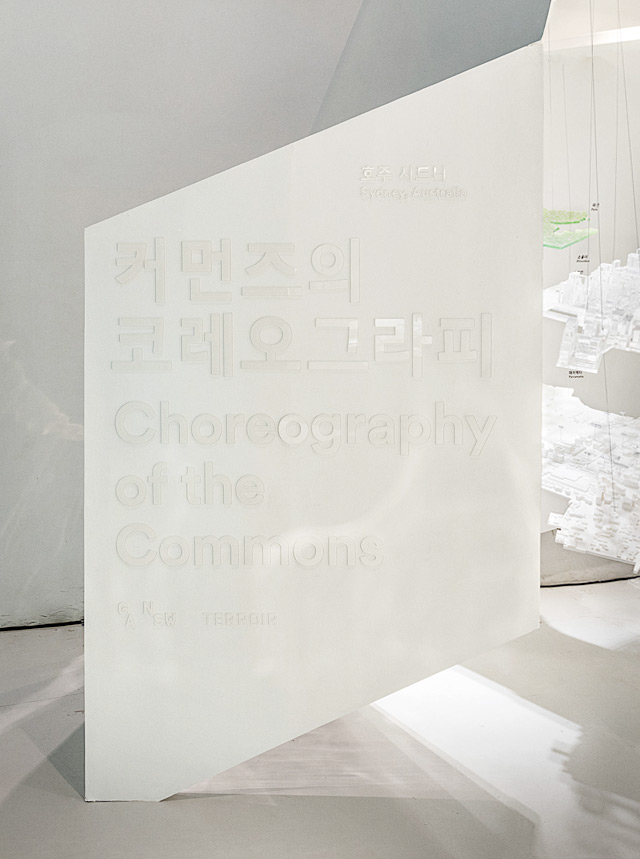
The inaugural Seoul Biennale of Architecture and Urbanism proposed a set of basic commons – an evolving network of agencies, resources and technologies – as the critical issue in negotiating the move towards a sustainable and equitable urbanism. These commons, arising from ecological and technological concerns, are already shaping life in cities around the world. Project development for the Sydney exhibit at the Biennale was a creative partnership between the Government Architect New South Wales (GANSW), architecture practice Terroir and Rodeo.
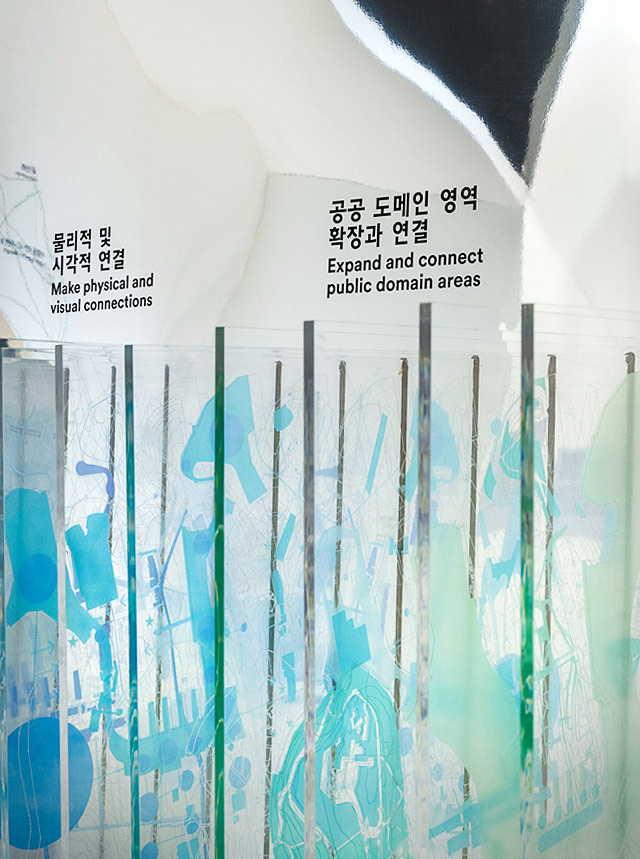
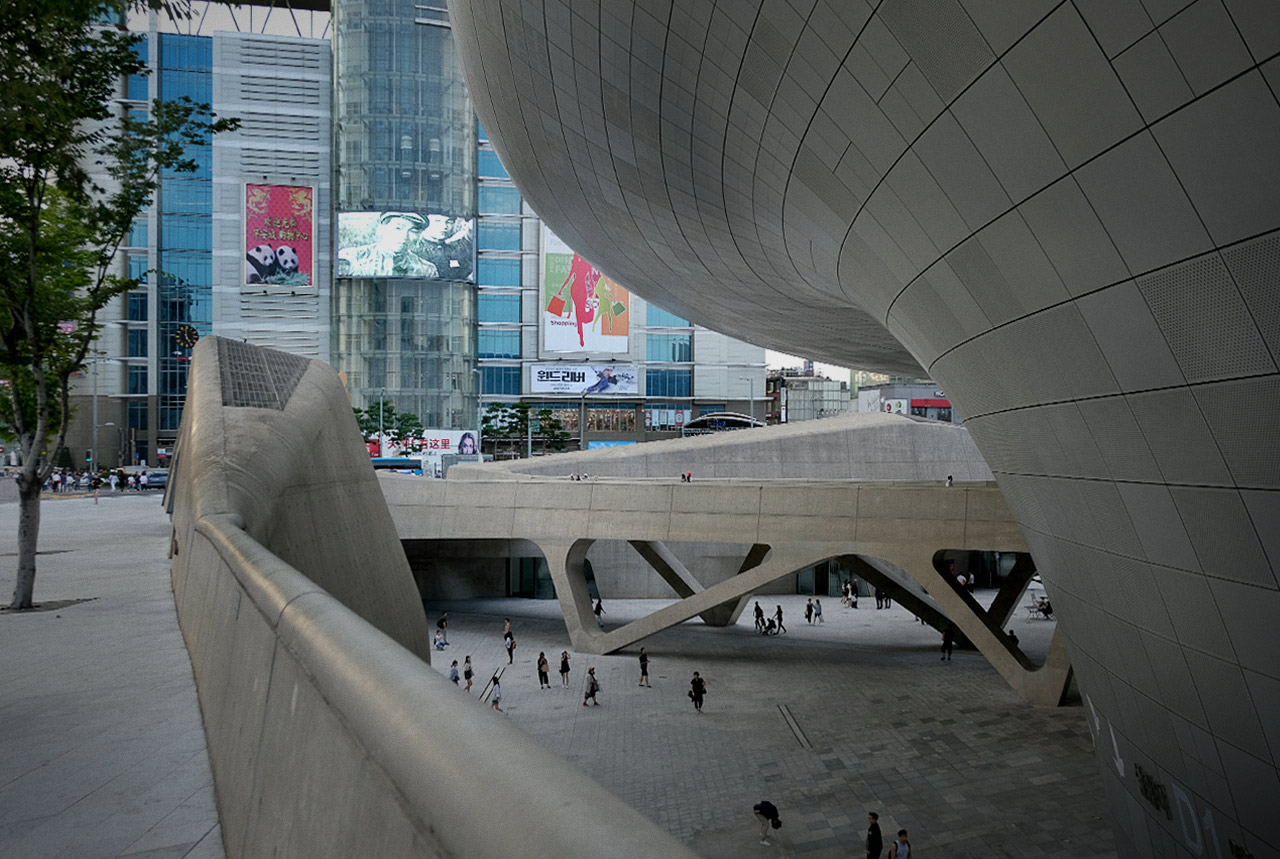
We understand the benefit of true collaboration and the need to integrate graphic communication strategies with architecture and the public domain. To engage with the Biennale’s 1.4 million visitors, which included the general public as well as international representatives from industry and government, we devised a range of dual-language touchpoints to deliver communications relating to GANSW and its methodology for place-based strategic frameworks.
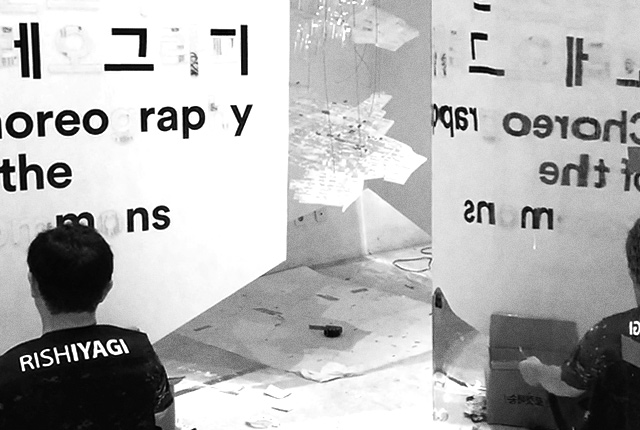

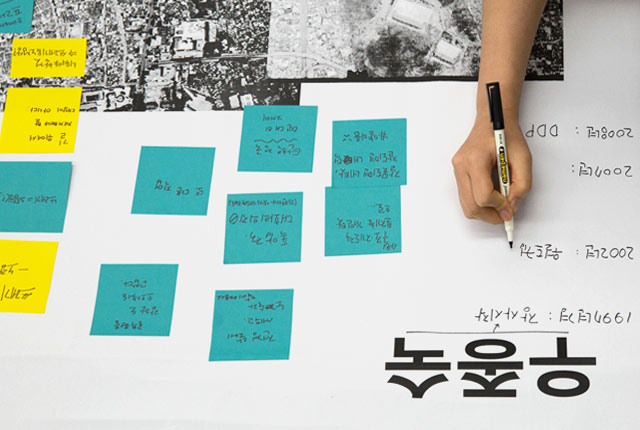
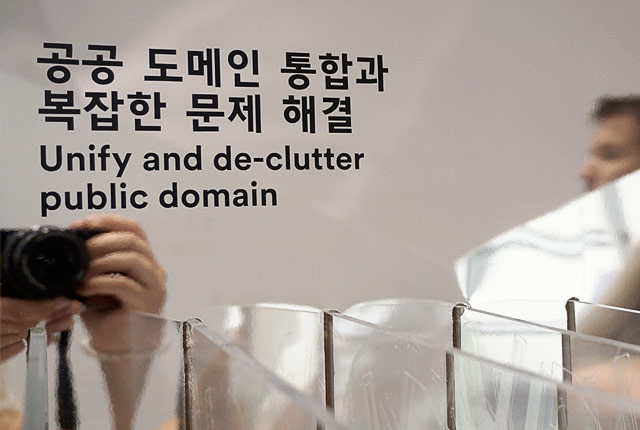
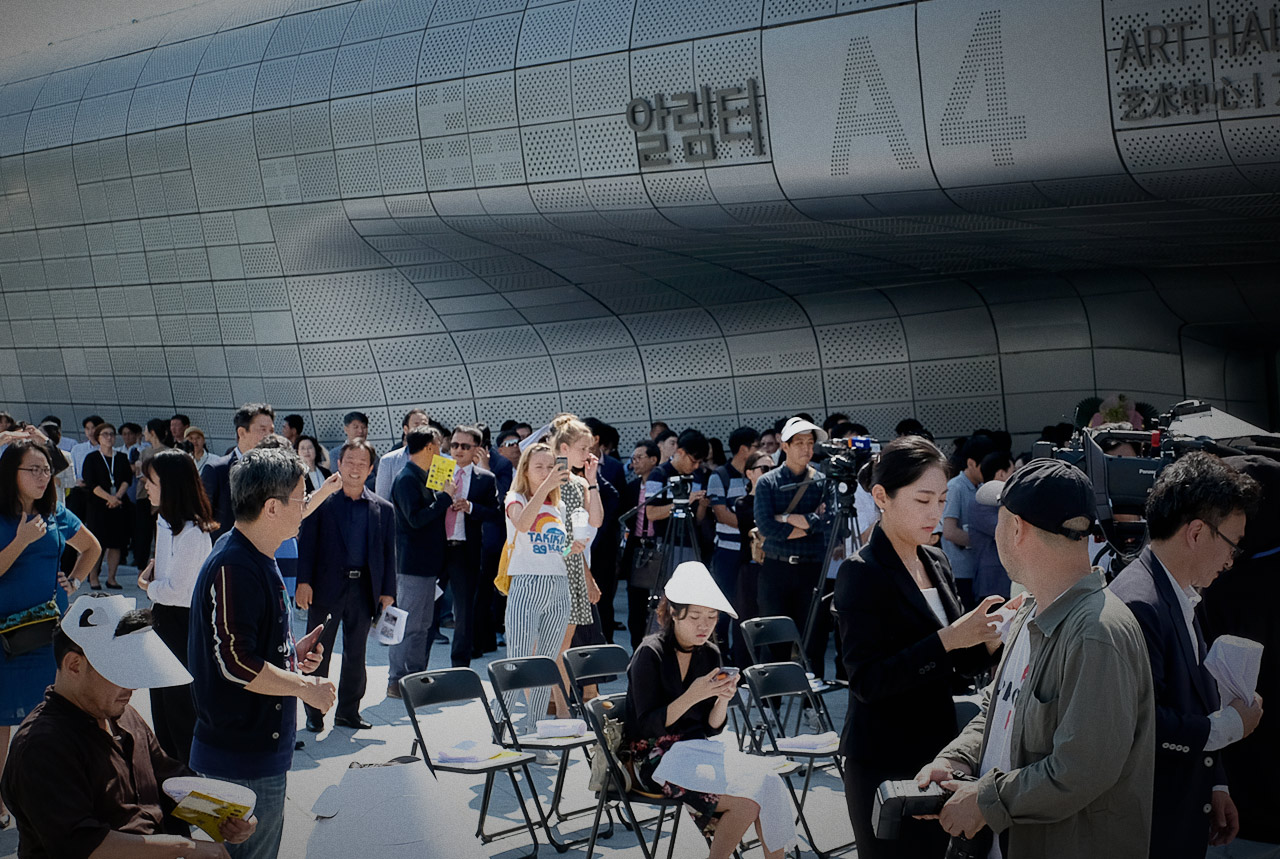
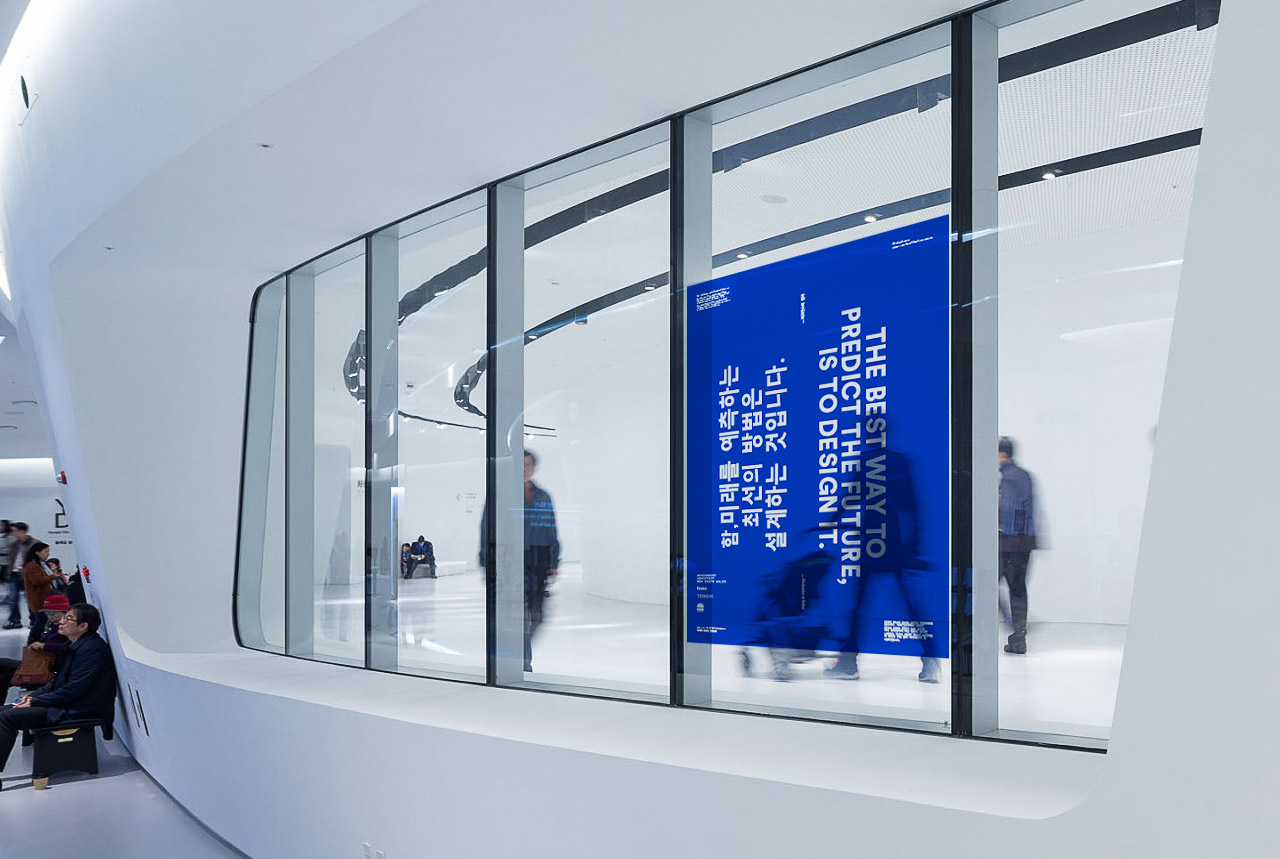
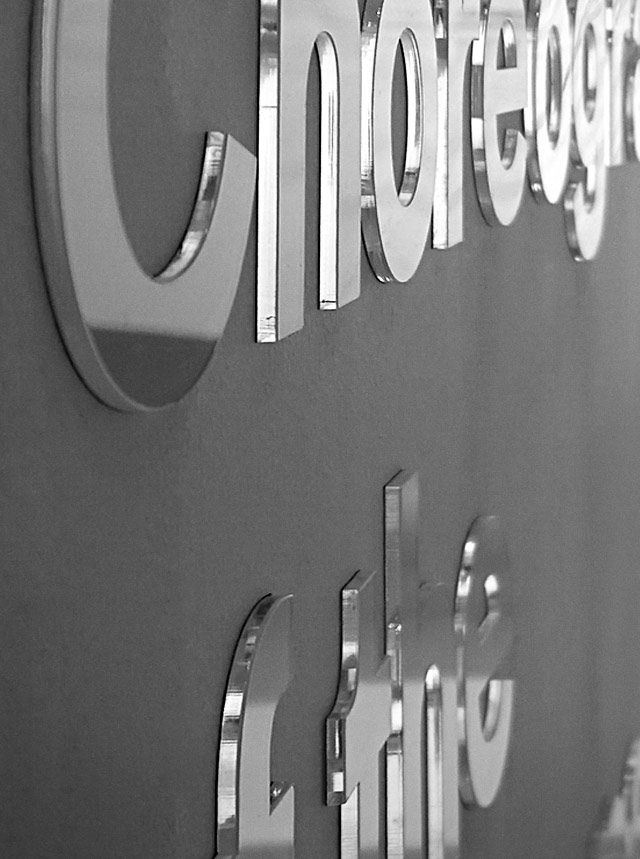
During the early concept-development stage, we proposed the use of a mirror finish as a device for dematerialising the form of the exhibit and reflecting both the interior of the venue, Zaha Hadid's Dongdaemun Design Plaza, and our audience. The mirror surface seamlessly joined the locational context with the geometric angles of Terroir's exhibit structure and placed people at the heart of the experience, in turn bringing the architecture to life through the light and movement dynamic of the reflected activity.

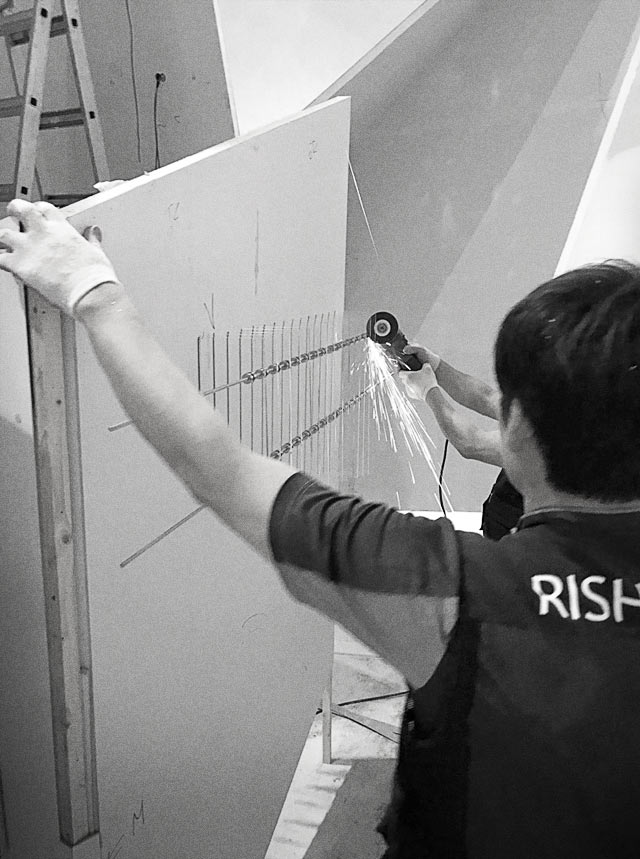
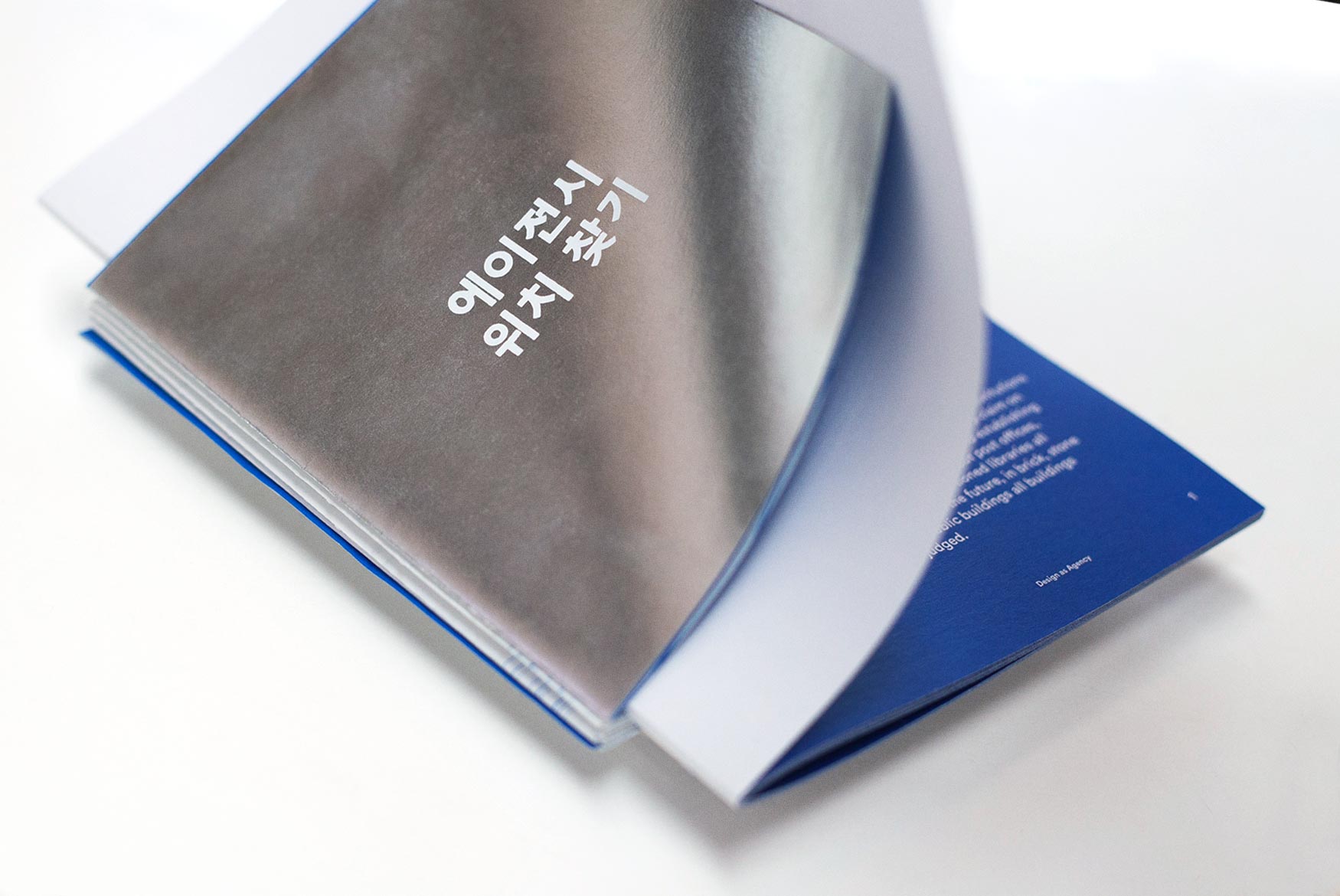
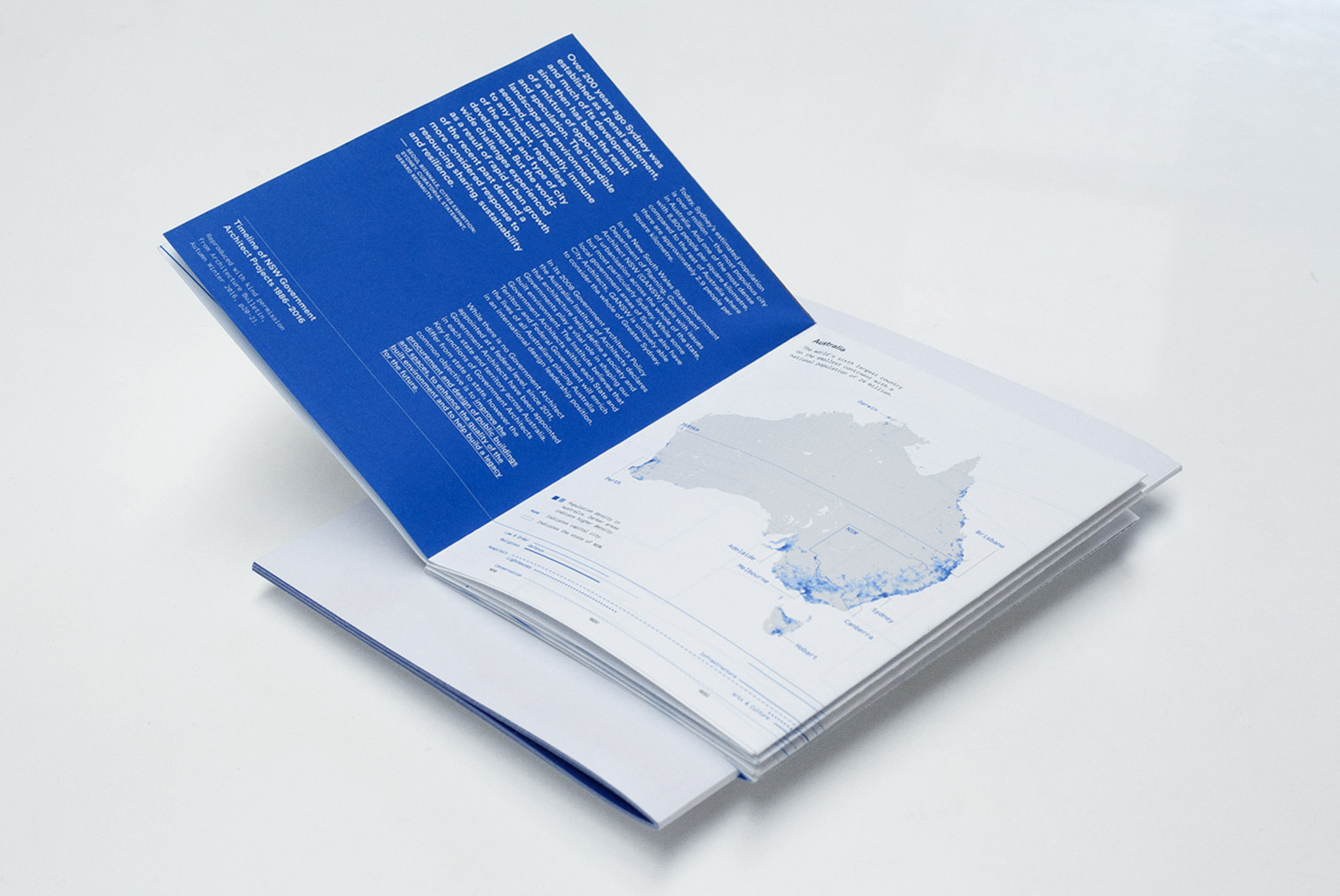
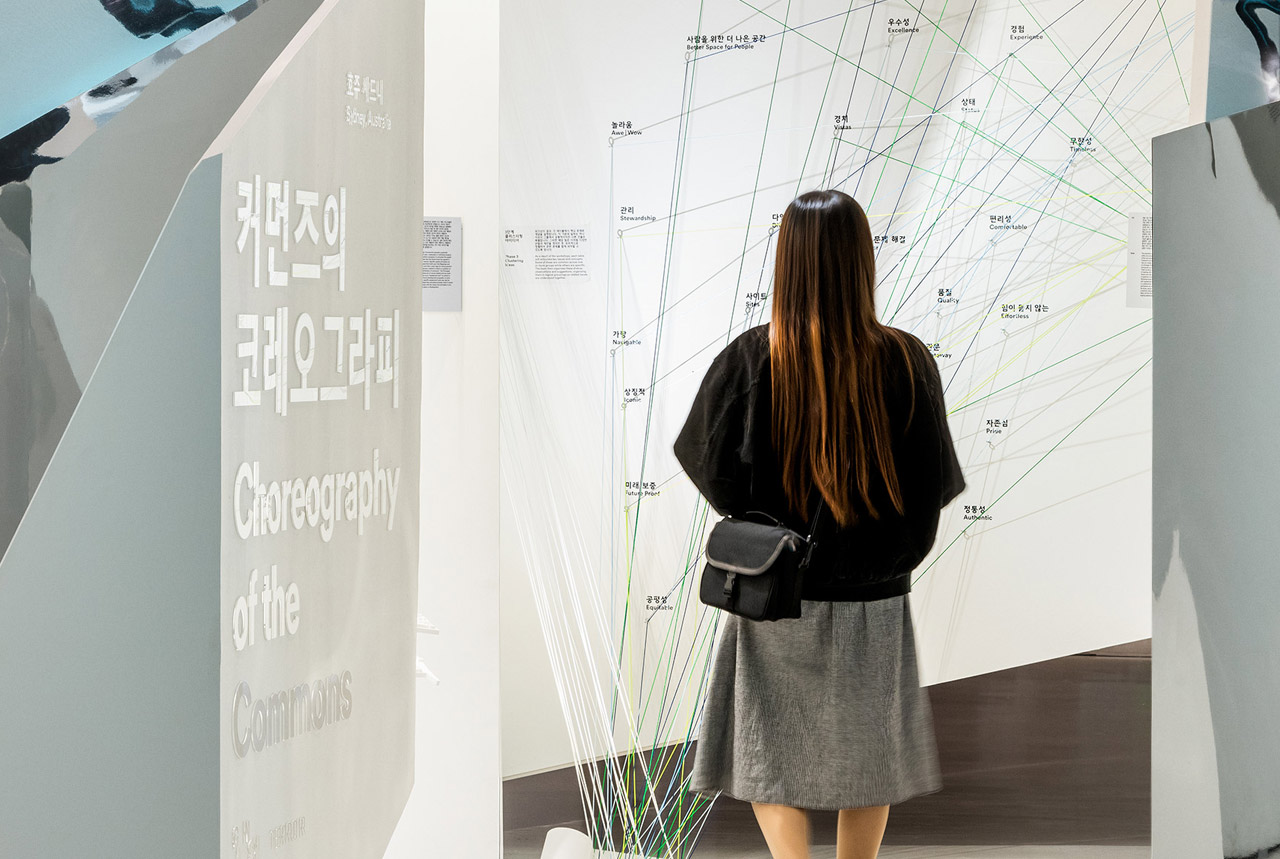
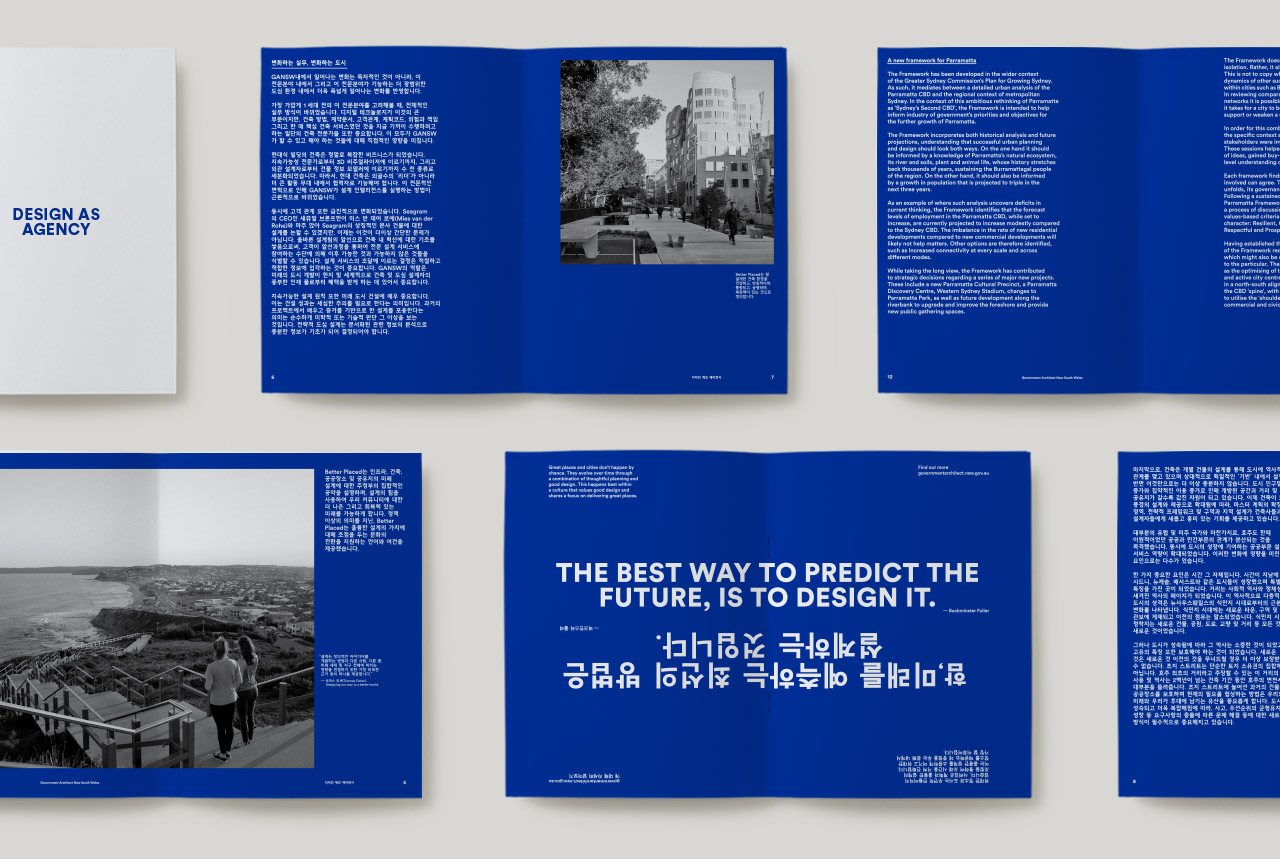
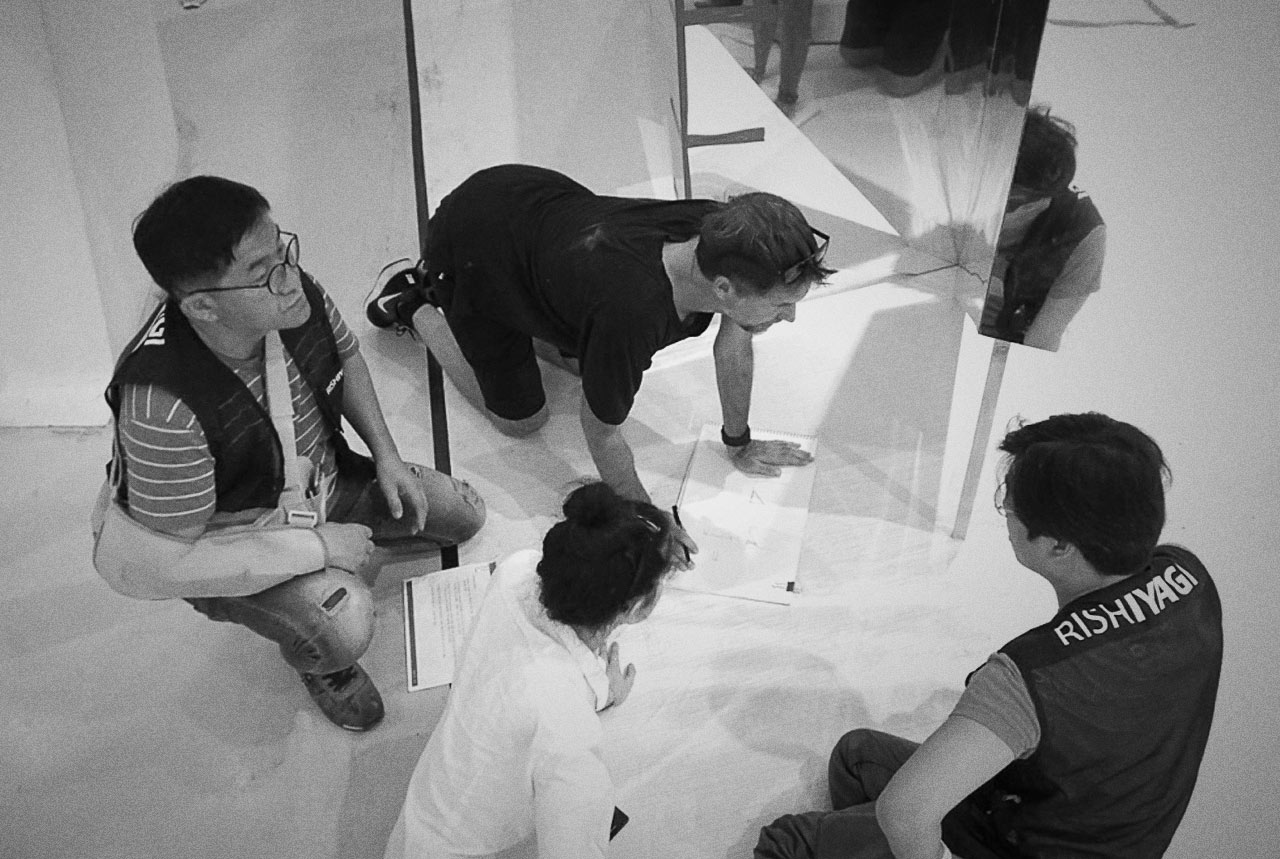
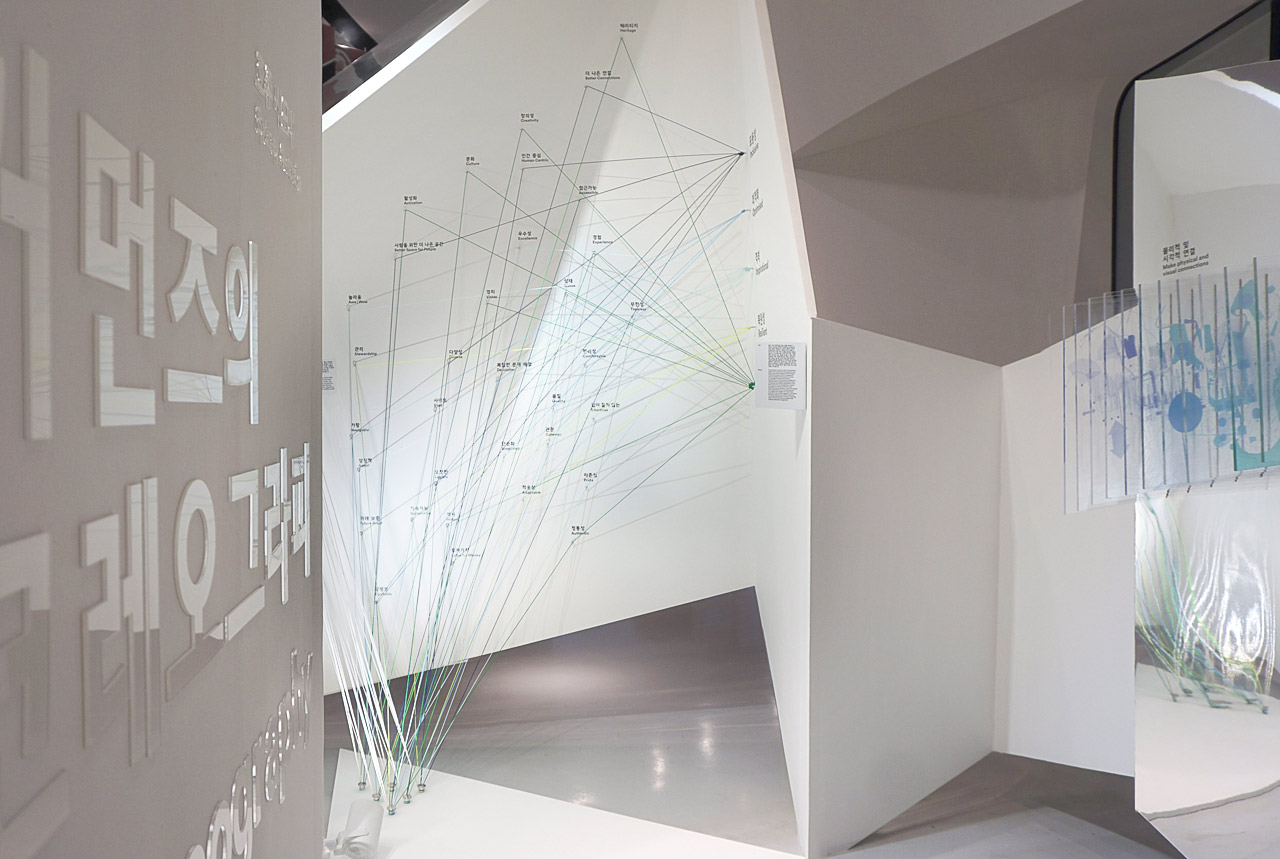
By providing integrated communications and creating a meaningful and compelling exhibition experience for our audience, our work positioned GANSW as an international thought leader in using strategic and integrated design to meet the challenges of rapid urbanisation, and supported the smart architecture from Terroir. The project formed a critical foundation for driving general awareness of GANSW and establishing and supporting ongoing relationships between GANSW and counterparts in Seoul, along with other major international cities in our region.
More stories

Expanding and energising the brand
New futures on ancient country
